Buying a website is one of the fastest ways to acquire an online business with existing traffic, revenue, and search rankings. But how to buy a website the right way is a completely different skill from starting one from scratch. The stakes are real: a well-researched purchase can generate returns within months. A careless one can cost you everything you paid and then some.
This guide covers the entire buying process from discovery to transfer, with the specific due diligence checks that protect you from the deals that look great until they don’t.
Why Buying a Website Beats Building From Scratch
Building a site from zero in 2026 takes 12 to 24 months before you see meaningful organic traffic. Buying a site skips that. When you acquire an existing website, you’re acquiring:
- Established domain authority and backlink profile
- Existing content ranking in Google for real keywords
- Proven revenue, even if modest, that confirms the monetization model works
- An audience that already trusts the site
- A head start that would take years to replicate organically
The right site at the right price is not just a time saver. It’s a genuine asset acquisition with compounding returns.
The 5-Phase Website Buying Journey
Here’s what the end-to-end process looks like for a disciplined buyer. Each phase feeds the next. Skipping one creates risk in all the ones that follow.
| 1 Discover Define your niche, budget, and site type goals. | > | 2 Evaluate Run a free worth check. Verify traffic, income, and domain health. | > | 3 Due Diligence Audit analytics, P&L, backlinks, and content ownership. | > | 4 Negotiate Make an offer based on verified multiples. Build in contingencies. | > | 5 Transfer Escrow the payment. Move domain, hosting, and all assets. |
Most buyers rush phases 2 and 3. That’s where the majority of bad purchases happen. Slow down there and everything else is easier.
What Can You Buy at Every Budget Level?
Website prices are driven by a monthly revenue multiple, typically 25x to 45x net monthly profit. That means a $3,000 site is probably earning around $70 to $120 per month. A $50,000 site is likely earning $1,200 to $2,000 per month net. Here’s how to match your budget to realistic opportunities:
| Budget Range | Best Site Types to Buy | Where to Find Them | Risk Level |
|---|---|---|---|
| Under $5K | Starter blogs, micro-niche affiliates, aged domains | Flippa, direct outreach | Medium |
| $5K to $20K | Content sites, small affiliates with verified traffic | Flippa, Motion Invest | Medium |
| $20K to $50K | Established content or affiliate sites, 1 to 2 years old | Motion Invest, Flippa Premium | Low |
| $50K to $150K | Profitable content sites, small SaaS tools, eCommerce | Empire Flippers, FE International | Low |
| $150K+ | SaaS, established eCommerce, media sites with teams | Empire Flippers, brokers | Low |
Under $5K sites carry higher risk because revenue is harder to verify and traffic can be thin. As budgets rise, verification becomes easier and the quality of buyers on platforms rises too.
How to Value a Website Before Making an Offer
The first thing any serious buyer does is run an independent site health check. Before you engage a seller, enter their domain into SiteWorthChecker.com. In under 30 seconds you get:
- Estimated site worth and daily income estimate
- Domain age and WHOIS registration history via IP2WHOIS
- Google Lighthouse mobile performance score
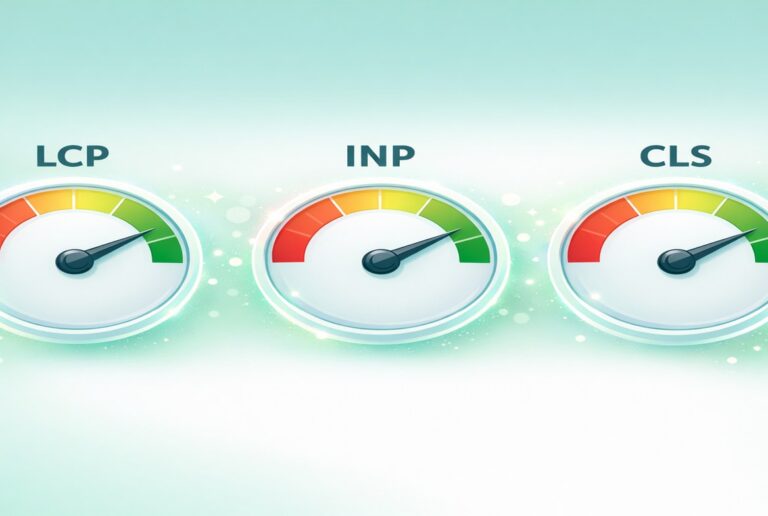
- Core Web Vitals breakdown (LCP, INP, CLS)
- SSL certificate status and security header analysis
- On-page SEO signals including title, meta, and heading structure
- Technologies detected (CMS, CDN, analytics, ad platforms)
That snapshot tells you whether the site is technically sound before you ever ask the seller for their numbers. If the free check reveals failing security, terrible page speed, or no SSL, you have negotiating leverage or a reason to walk away entirely.
After the free check, you need to verify the revenue claims directly.
| The golden rule of website buying Never make an offer based on a seller’s word alone. Verify every number in the original platform. Traffic in GA4 directly, revenue in the actual payment processor, backlinks in a backlink tool. Screenshots are not verification. Access is. |
The 4-Zone Due Diligence Framework
Professional website buyers work through four zones of due diligence before committing. Skimping on any one of them is where deals go wrong:
| Traffic Audit • Verify in GA4 directly, not screenshots • Check organic vs paid split • Look for sudden drops (algorithm hits) • Validate geographic traffic quality | Revenue Audit • Request 12 months of P&L, not summaries • Verify revenue in payment platform directly • Check for income concentration risk • Identify any pending revenue disputes | Technical Audit • Run SiteWorthChecker for full health snapshot • Check Core Web Vitals and PageSpeed • Review SSL and security header status • Audit backlink profile for toxic links | Legal Audit • Confirm seller owns all content outright • Check for trademark conflicts • Review any supplier or affiliate agreements • Confirm domain is free of liens or disputes |
Deal-Killer Red Flags: Walk Away From These
Not every issue is a deal-killer. But these seven are. If you encounter any of them and the seller can’t provide a clear, verifiable explanation, walk away.
| Red Flag | Why It Matters | How to Spot It |
|---|---|---|
| Seller refuses GA4 access | Legitimate sellers share verified traffic. Refusal usually means the numbers are fabricated or inflated. | Ask for read-only Google Analytics access before any offer. |
| Sudden traffic spike before listing | Sellers sometimes buy traffic to inflate metrics before a sale. This collapses after purchase. | Compare 12-month trend in GA4. One-month spikes are a warning sign. |
| Revenue from a single source | If one affiliate program, ad network, or client disappears, so does the business. | Request revenue breakdown by source. Any single source over 70% is high risk. |
| Unverifiable income claims | Screenshots of dashboards can be faked. Invoices and payment records cannot. | Ask for payment platform access or bank statements covering 12 months. |
| High-effort, owner-dependent model | Sites requiring 40+ hours per week from the owner are jobs, not assets. They’re hard to scale and harder to sell on. | Ask: what happens if you stop working for 30 days? |
| Thin or scraped content | Plagiarized or AI-spun content is a liability. Google can penalise it and the seller may not own it. | Run a sample of content through Copyscape. Run the domain through SiteWorthChecker to check on-page SEO health. |
| No SSL or failing security headers | Browsers flag non-HTTPS sites and Google penalises them. Security debt transfers to the buyer. | SiteWorthChecker shows SSL status and full security header analysis instantly. |
Where to Find Websites for Sale in 2026
Not all marketplaces are equal. The platform you use should match your budget and experience level:
Flippa
The largest open marketplace. Huge volume of listings at all price points. Quality varies enormously, which makes due diligence even more important. Best for buyers comfortable doing their own vetting.
Empire Flippers
Curated and vetted listings. The team verifies revenue and traffic before a site is listed. Prices are higher but you get more transparency. Best for buyers with $30K+ budgets who want a cleaner process.
Motion Invest
Focused exclusively on content sites. Strong for SEO-driven properties with organic traffic. Pricing is fair and the vetting is solid for the content niche.
Direct outreach
If you know the niche you want, identify the top sites in it and reach out directly. No platform fee, no competition from other buyers, and sellers who aren’t actively marketing are sometimes more motivated than you’d expect.
Closing the Deal: How the Transfer Works
Once you’ve agreed on a price, the transfer happens in a specific order to protect both parties:
- Use escrow. Escrow.com is the standard for website transactions. Never send funds directly to a seller without it.
- Transfer the domain first, to your registrar account, before releasing payment from escrow.
- Transfer hosting and all site files, including databases, email accounts, and any associated tools.
- Transfer third-party accounts: Google Analytics, Search Console, affiliate programs, advertising accounts, and social profiles.
- Verify everything is working in your control before releasing escrow funds.
- Negotiate a handover period, typically two to four weeks, where the seller is available for questions.
Start Your Research the Right Way
Every successful website purchase starts with solid data. Before you approach any seller or browse any marketplace, get comfortable reading a site’s health report first.
Run any domain you’re considering through SiteWorthChecker.com. You’ll see the estimated worth, domain age, technical health score, Core Web Vitals, and security status in one free report. It takes 30 seconds. It can save you from a very expensive mistake.